

Date:

Location:
In conclusion, the AI nutrition market in 2026 is defined by innovation, integration, and personalization at scale. As hyper-personalized solutions and smart health ecosystems become the norm, AI is poised to play a central role in shaping the future of nutrition. Success in this evolving landscape will depend not only on technological advancement but also on trust, regulation, and a commitment to evidence-based health outcomes.
The AI nutrition market in 2026 is rapidly transforming from a convenience-driven niche into a core component of preventive healthcare and everyday wellness. Fueled by advances in artificial intelligence, biometrics, and consumer demand for tailored health solutions, the industry is redefining how people understand and manage their diets.
At the heart of this evolution is hyper-personalization. AI systems now go far beyond basic calorie tracking, integrating data from genetics, gut microbiome testing, wearable devices, and lifestyle behaviors. This allows platforms to deliver precision nutrition plans that adapt in real time. Instead of following static diets, users receive continuously updated recommendations aligned with their metabolism, health conditions, and personal goals. This shift is especially relevant as global health concerns—such as obesity, diabetes, and cardiovascular diseases—drive demand for more proactive, individualized care.
Market momentum is strong. The AI-driven nutrition sector is experiencing double-digit growth, with projections indicating a sustained compound annual growth rate exceeding 25% over the next decade. This expansion is supported by increased digital health adoption, rising healthcare costs, and a growing preference for preventive solutions over reactive treatments. Consumers are no longer satisfied with generic advice; they expect actionable insights tailored specifically to them.
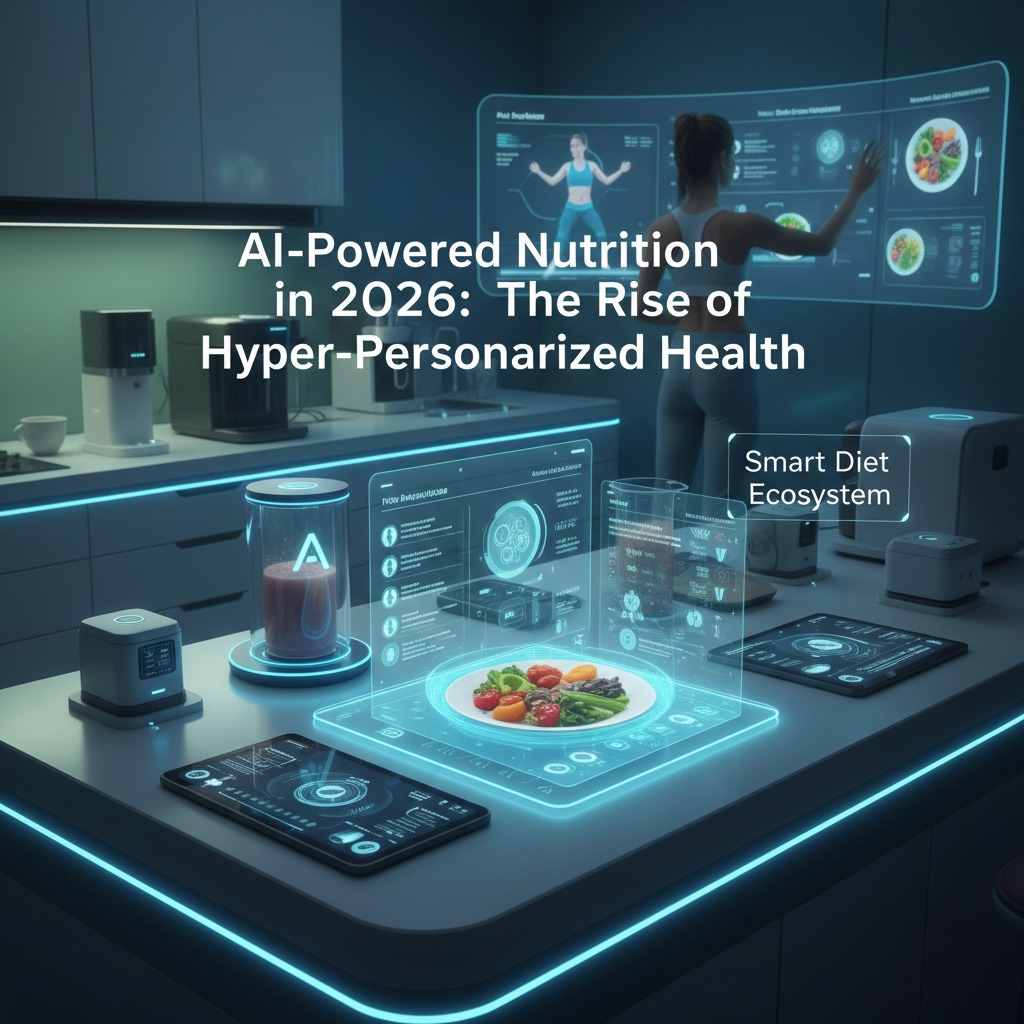
Another major trend shaping the market is the emergence of smart nutrition ecosystems. AI-powered apps now integrate seamlessly with wearable technologies, creating a continuous feedback loop between user behavior and dietary guidance. Devices that track physical activity, sleep, glucose levels, and even hydration feed real-time data into AI systems, enabling dynamic adjustments to nutrition plans. This interconnected approach enhances accuracy and fosters a more holistic view of health, where diet is just one part of a broader wellness strategy.
In parallel, automation and convenience are becoming key differentiators. AI tools can generate personalized meal plans, suggest recipes, and even create optimized grocery lists based on user preferences and nutritional needs. Image recognition technology allows users to log meals instantly by simply taking a photo, significantly reducing friction and improving adherence. These features are making personalized nutrition more accessible and sustainable for everyday users.
From a business standpoint, AI is revolutionizing product development and marketing within the food and nutrition industry. Companies are leveraging predictive analytics to identify emerging dietary trends, test new formulations, and bring products to market faster. AI also enables hyper-targeted marketing campaigns, delivering personalized product recommendations that resonate more effectively with individual consumers. This data-driven approach is strengthening customer engagement and driving brand loyalty in an increasingly competitive market.
However, the industry is not without challenges. Data privacy remains a critical concern, as AI nutrition platforms rely on sensitive personal and health information. Ensuring secure data handling and transparent usage policies is essential to maintaining consumer trust. Additionally, the accuracy and scientific validity of AI-generated recommendations must be continuously validated. Without proper oversight, there is a risk of misleading or imbalanced dietary advice.
Leave a Reply