
Market Research on Personalized Nutrition in Weight Loss (2026 Trends).
Introduction:
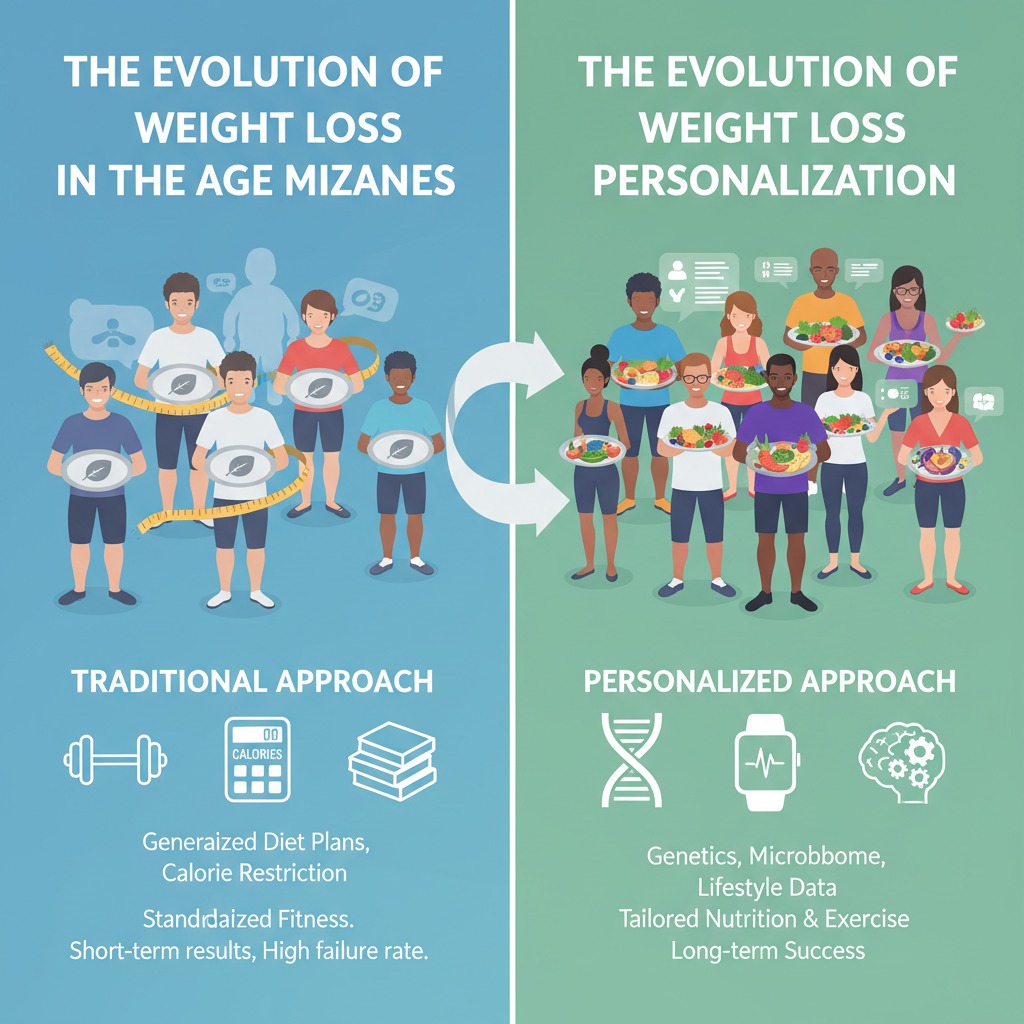
The Evolution of Weight Loss in the Age of Personalization
The weight loss industry is undergoing a profound transformation. For decades, traditional approaches relied on generalized diet plans, calorie restriction, and standardized fitness routines. While these methods produced short-term results for some, they often failed to deliver long-term success due to their inability to account for individual differences.
In 2026, this paradigm has shifted. Personalized nutrition—powered by artificial intelligence, real-time data, and biological insights—has emerged as a dominant force reshaping how individuals approach weight loss. Instead of applying universal solutions, modern systems now tailor recommendations to each individual’s unique biology, lifestyle, and behavioral patterns.
Market research reports consistently highlight this transition as one of the most significant developments in global health and wellness. Consumers are no longer satisfied with generic diets; they are demanding precision, personalization, and sustainable outcomes.
Market Size and Growth: A Rapidly Expanding Industry
The personalized nutrition market has experienced remarkable growth in recent years, and projections indicate that this expansion will continue well into the next decade.
According to recent industry reports, the personalized nutrition and supplements market is expected to grow from approximately $13.39 billion in 2025 to over $24.52 billion by 2030, representing a compound annual growth rate (CAGR) of around 12.8%.
At the same time, the AI-driven segment of this market is expanding even more rapidly. The AI in personalized nutrition market was valued at about $1.54 billion in 2025 and is projected to reach over $10.21 billion by 2033, growing at an impressive 27.21% CAGR.
Some long-term forecasts suggest even greater expansion, with projections reaching over $17 billion by 2035 for AI-powered nutrition solutions alone.
These figures clearly demonstrate that personalized nutrition—especially AI-powered solutions—is one of the fastest-growing segments within the broader health and wellness industry.
Key Drivers Behind the Growth of Personalized Nutrition
1. Rising Demand for Personalized Weight Loss Solutions
One of the most significant drivers of market growth is the increasing demand for personalized weight loss strategies. Traditional diets often fail because they do not account for differences in metabolism, genetics, and lifestyle.
Personalized nutrition addresses this gap by using data to create individualized plans. This approach improves adherence, enhances effectiveness, and leads to more sustainable results.
2. The Shift Toward Preventive Healthcare
Global healthcare is shifting from a reactive model to a preventive one. Consumers are becoming more proactive about their health, focusing on preventing diseases rather than treating them after they occur.
Personalized nutrition plays a critical role in this shift. By optimizing diet and lifestyle based on individual data, it helps reduce the risk of chronic conditions such as obesity, diabetes, and cardiovascular disease.
Weight loss is a central component of preventive health, making personalized nutrition an essential tool in modern healthcare strategies.
3. Explosion of Health Data and Digital Tools
The rise of wearable devices, mobile apps, and digital health platforms has made it possible to collect vast amounts of personal health data. This includes:
- Physical activity levels
- Sleep patterns
- Heart rate and recovery
- Calorie intake
- Blood glucose levels
This continuous stream of data enables AI systems to create highly accurate and adaptive nutrition plans. It also allows for real-time adjustments, improving outcomes and user engagement.
4. Advances in AI, Genomics, and Microbiome Science
Technological advancements are at the core of personalized nutrition’s growth. Artificial intelligence enables the analysis of complex datasets, while genomics and microbiome research provide deeper insights into how individuals respond to different foods.
Market reports emphasize that the integration of these technologies is a major factor driving the adoption of personalized nutrition platforms.
This combination of AI and biological data is enabling a new level of precision in weight loss strategies.
5. Increasing Prevalence of Lifestyle-Related Diseases
The global rise in obesity and related health conditions is another key driver. According to industry data, billions of people worldwide are affected by overweight and obesity, increasing the demand for effective, personalized solutions.
This growing health burden is pushing both consumers and healthcare providers toward more targeted and data-driven approaches to nutrition.
Key Trends Shaping Personalized Nutrition in 2026
1. Hyper-Personalization
One of the most defining trends of 2026 is hyper-personalization. Nutrition plans are no longer based on broad categories but on highly detailed individual data, including:
- Genetic information
- Hormonal profiles
- Lifestyle habits
- Environmental influences
This level of personalization significantly improves the effectiveness of weight loss strategies.
2. AI-Powered Nutrition Coaching
AI-driven coaching platforms are becoming increasingly popular. These systems act as virtual nutritionists, providing continuous guidance and feedback.
They can:
- Recommend meals based on real-time data
- Adjust calorie intake dynamically
- Provide behavioral insights
This ongoing support helps users maintain consistency and achieve better results.
3. Gut Health and Microbiome-Based Diets
Gut health has become a central focus in personalized nutrition. Research shows that the gut microbiome plays a critical role in digestion, metabolism, and fat storage.
In 2026, many personalized nutrition plans incorporate microbiome data to optimize dietary recommendations. This approach is particularly effective for weight loss, as it improves nutrient absorption and metabolic efficiency.
4. Real-Time Monitoring and Adaptive Systems
Modern personalized nutrition systems rely on continuous monitoring. Wearables and apps provide real-time data, allowing AI systems to adjust recommendations instantly.
This creates a dynamic feedback loop where:
User Behavior → Data Collection → AI Analysis → Updated Plan
This continuous adaptation ensures that nutrition strategies remain effective over time.
5. Subscription-Based Nutrition Platforms
Subscription-based models are becoming the standard in personalized nutrition. These platforms offer ongoing services, including:
- Personalized meal plans
- Supplement recommendations
- Progress tracking
- AI coaching
This approach promotes long-term engagement and sustainable weight loss.
The Role of AI in Transforming Weight Loss
Artificial intelligence is the driving force behind modern personalized nutrition. It enables several key capabilities that are transforming weight loss:
Predictive Nutrition
AI can predict how an individual’s body will respond to specific foods. This allows users to make informed decisions and avoid ineffective strategies.
Adaptive Planning
AI systems continuously adjust nutrition plans based on progress and behavior. This ensures that the plan remains effective and aligned with the user’s goals.
Behavioral Optimization
Weight loss is influenced by behavior as much as biology. AI analyzes patterns and provides personalized recommendations to improve habits and consistency.
Regional Market Insights
North America
North America currently leads the personalized nutrition market, driven by high consumer awareness, advanced healthcare infrastructure, and widespread adoption of digital health technologies.
Europe
Europe is experiencing steady growth, supported by strong regulatory frameworks and increasing health consciousness among consumers.
Asia-Pacific
The Asia-Pacific region is the fastest-growing market, fueled by urbanization, rising disposable incomes, and expanding access to digital health tools.
Emerging Markets
Regions such as Africa and the Middle East present significant opportunities for growth, particularly through mobile-first health solutions and increasing awareness of preventive healthcare.
Challenges Facing the Industry
Despite its rapid growth, the personalized nutrition market faces several challenges:
Data Privacy and Security
Handling sensitive health data requires robust security measures and regulatory compliance.
High Costs
Advanced testing and AI platforms can be expensive, limiting accessibility for some users.
Scientific Validation
Ensuring the accuracy and reliability of AI-generated recommendations is essential for building trust.
Regulatory Uncertainty
As the industry evolves, clear regulations are needed to ensure safety and consistency.
Opportunities for Future Growth
The future of personalized nutrition is filled with opportunities, including:
- Integration with healthcare systems
- Expansion of AI-powered platforms
- Development of affordable solutions
- Increased use of real-time biological data
These opportunities will continue to drive innovation and adoption in the industry.
The Future of Personalized Nutrition in Weight Loss
Looking ahead, personalized nutrition is expected to become even more advanced and accessible. Emerging technologies such as DNA-based diet planning, continuous glucose monitoring, and AI-driven predictive health models will further enhance its effectiveness.
Recent wellness trend reports highlight a broader shift toward science-based, personalized health solutions, emphasizing long-term sustainability over quick fixes.
At the same time, food and nutrition trends show increasing integration of AI tools and functional foods designed to support personalized health goals.
These developments indicate that personalized nutrition will continue to play a central role in the future of weight loss.
Conclusion: A New Standard for Weight Loss
The latest market research makes one thing clear: personalized nutrition is transforming the weight loss industry.
With strong growth projections, increasing consumer demand, and rapid technological advancements, it is becoming the new standard for achieving sustainable health outcomes.
In 2026, weight loss is no longer about restrictive diets or temporary solutions. It is about understanding the individual—using data, AI, and science to create strategies that are precise, adaptive, and effective.
The future of weight loss is not generic.
It is personalized, intelligent, and data-driven.

Leave a Reply