
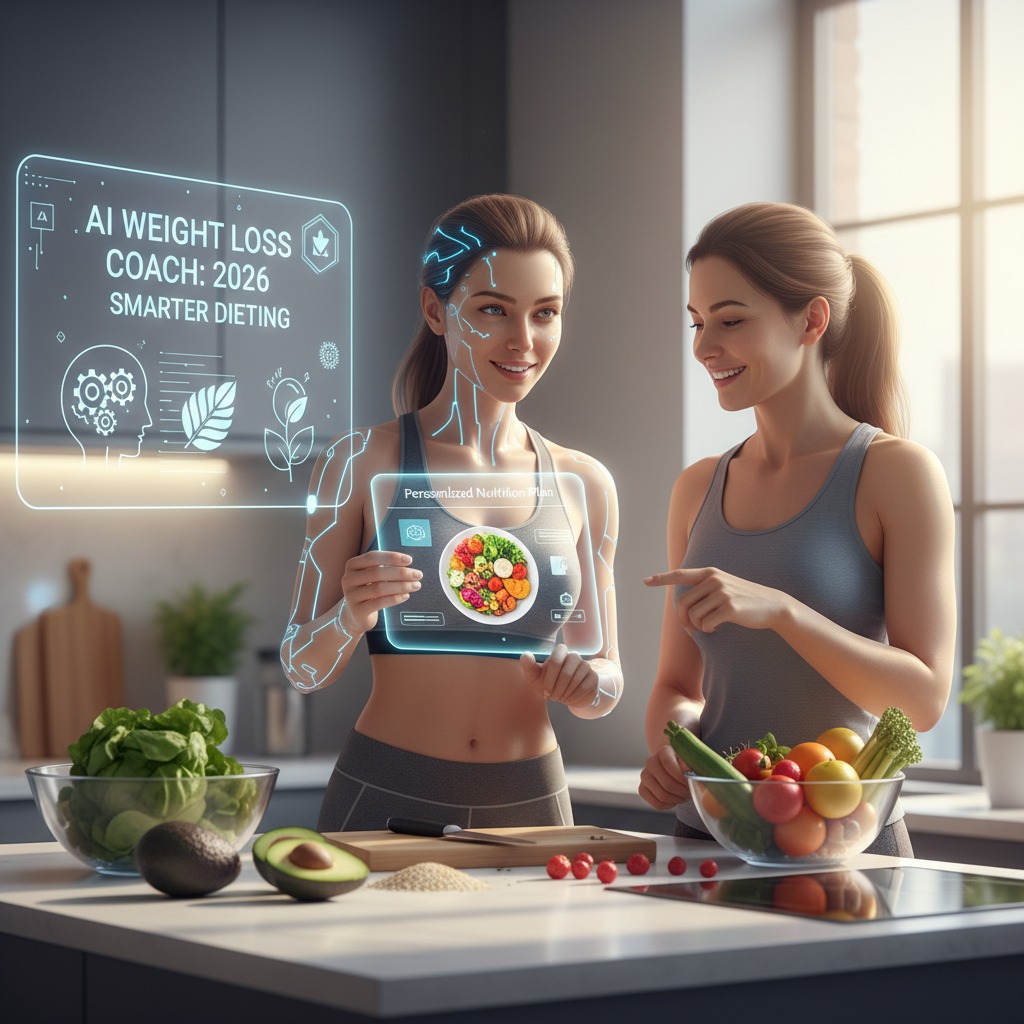
How AI Builds Personalized Nutrition Plans in 2026
In 2026, artificial intelligence has transformed the way people approach healthy eating and weight management. Instead of following generic diet plans that may not fit everyone, AI-powered nutrition platforms now create highly personalized meal plans based on an individual’s unique lifestyle, health data, genetics, and wellness goals. This advanced technology is helping millions of people make smarter food choices while improving long-term health outcomes.
One of the biggest advantages of AI in nutrition is its ability to analyze large amounts of personal data in seconds. Modern AI systems can study information such as age, weight, body composition, activity level, sleep patterns, medical history, allergies, and daily eating habits. Many platforms also connect with wearable fitness devices and health apps that track calories burned, heart rate, hydration, and exercise performance in real time. By combining all of this information, AI can understand how a person’s body responds to food and lifestyle choices.
Genetics also plays an important role in personalized nutrition in 2026. Some AI nutrition platforms now integrate DNA testing to identify how individuals metabolize carbohydrates, fats, caffeine, and certain vitamins. For example, one person may process carbohydrates efficiently while another may experience blood sugar spikes after eating the same foods. AI uses these genetic insights to recommend meals that better match the body’s biological needs, making nutrition plans more effective and sustainable.
Another key feature of AI-powered nutrition is behavioral learning. Artificial intelligence continuously studies a user’s eating habits, cravings, meal timing, and food preferences. Instead of forcing strict diets, AI creates realistic meal recommendations that fit a person’s lifestyle and cultural preferences. If someone dislikes certain vegetables or prefers vegetarian meals, the system adapts automatically. Over time, AI learns which foods help users feel energized, satisfied, and motivated to stay consistent.
Fitness goals are also central to AI-generated meal plans. Whether someone wants to lose weight, build muscle, improve digestion, increase energy, or manage a medical condition, AI adjusts calorie intake and nutrient distribution accordingly. For athletes, AI may recommend higher protein intake and recovery meals, while for weight loss, it may focus on balanced calorie control and appetite-supporting foods rich in fiber and protein.
In 2026, AI nutrition tools are becoming even smarter through predictive analytics. These systems can forecast potential health risks such as obesity, diabetes, nutrient deficiencies, or unhealthy eating patterns before they become serious problems. Some platforms even send reminders to drink water, avoid overeating, or maintain healthier meal schedules based on daily behavior patterns.
Another growing trend is the use of AI chat assistants and virtual nutrition coaches. These intelligent assistants provide real-time guidance, answer food-related questions, generate grocery lists, and suggest healthy restaurant meals instantly. This level of personalized support makes healthy eating easier and more accessible for busy individuals.
Despite its benefits, experts still emphasize that AI should support—not replace—professional healthcare advice. Nutritionists and doctors continue to play an important role in interpreting health conditions and providing human guidance where necessary. However, AI has significantly improved the ability to create customized nutrition strategies that are practical, data-driven, and adaptable.
As technology continues to evolve, personalized nutrition powered by artificial intelligence is expected to become one of the most influential trends in modern healthcare and wellness. By combining science, data analysis, and human behavior, AI is helping people build healthier habits and achieve better results through nutrition plans designed specifically for them.
The Role of Wearable Technology in AI Weight Loss Programs
Wearable technology has become one of the most powerful tools in modern weight loss programs, especially as artificial intelligence continues to reshape the health and wellness industry in 2026. Devices such as smartwatches, fitness trackers, smart rings, and health monitoring apps are no longer just step counters. They now provide real-time health data that helps AI systems create smarter, more personalized weight loss strategies for individuals.
One of the biggest advantages of wearable technology is its ability to continuously collect data throughout the day. Modern devices can track steps, calories burned, heart rate, sleep quality, stress levels, hydration, blood oxygen, and even eating patterns. This constant flow of information allows AI-powered weight loss platforms to understand how a person’s body responds to food, exercise, and daily routines in real time.
Unlike traditional dieting methods that rely on guesswork, AI programs use wearable data to make accurate recommendations. For example, if a fitness tracker notices that a user is less active than usual, the AI system may suggest reducing calorie intake slightly for that day. On the other hand, after an intense workout session, the AI may recommend meals rich in protein and nutrients to support recovery and muscle maintenance. This level of personalization helps users achieve more balanced and sustainable results.
Sleep tracking is another important feature of wearable technology in AI weight loss programs. Research has shown that poor sleep can increase hunger, cravings, and weight gain. Smartwatches and health apps can monitor sleep duration and quality, allowing AI systems to identify patterns that may affect dieting success. If the system detects poor sleep habits, it may recommend lifestyle changes such as earlier meal timing, reduced caffeine intake, or improved bedtime routines.
Wearables also help improve accountability and motivation. Many AI-driven apps send reminders to move, drink water, complete workouts, or stay within calorie goals. These real-time notifications encourage healthier daily habits and help users stay consistent. Some platforms even use gamification, achievement badges, and personalized progress reports to keep people engaged during their weight loss journey.
Another major benefit is the integration between wearable devices and nutrition tracking apps. In 2026, many AI health platforms can automatically combine fitness data with meal logging and biometric information. This allows the AI to adjust meal plans instantly based on activity levels, metabolism changes, and personal goals. For example, someone trying to lose weight while maintaining muscle mass may receive a different nutritional recommendation than someone focused purely on calorie reduction.
Wearable technology is also becoming more advanced with stress monitoring and emotional wellness tracking. Since emotional eating and stress-related cravings are common challenges in weight management, AI systems can now detect elevated stress levels and provide recommendations such as mindfulness exercises, healthier snack options, or lighter workout routines.
In addition, many healthcare professionals are beginning to use wearable-generated data to support patients with obesity, diabetes, and metabolic conditions. This creates a more data-driven and preventive approach to health management rather than reacting to problems after they develop.
As AI and wearable technology continue to evolve together, weight loss programs are becoming more intelligent, adaptive, and personalized than ever before. By providing real-time insights into the body’s daily behavior, wearable devices help AI create nutrition and fitness strategies that are more effective, realistic, and easier to maintain in the long term.
Why AI-Driven Weight Loss Plans Are More Effective Than Traditional Diets
For decades, traditional diets have promised quick weight loss through strict calorie restrictions, rigid meal plans, and one-size-fits-all approaches. While some people may see temporary results, many struggle to maintain those diets long term. In 2026, artificial intelligence is changing the weight loss industry by offering smarter, more personalized solutions that adapt to each individual’s body, habits, and lifestyle. AI-driven weight loss plans are proving to be more effective because they focus on sustainability, real-time adjustments, and behavior analysis rather than simple calorie counting alone.
One of the main reasons AI-powered programs work better than traditional diets is adaptive calorie tracking. Traditional diets often assign the same daily calorie target regardless of changes in activity level, metabolism, stress, or sleep. AI systems, however, continuously analyze real-time data from wearable devices, fitness apps, and food tracking tools. If a person exercises more than usual, the AI can increase calorie recommendations to support recovery and energy needs. If activity levels decrease, the system can adjust calorie intake accordingly. This dynamic approach creates a more balanced and realistic weight loss strategy.
Another major advantage is instant feedback and personalized guidance. Traditional diets usually depend on weekly check-ins or manual progress tracking, which can make it difficult to identify problems early. AI-driven programs provide immediate responses based on daily behaviors. For example, if a user skips meals, overeats late at night, or experiences reduced physical activity, the AI system can instantly offer healthier alternatives, reminders, or motivational suggestions. This real-time support helps users stay consistent and make better decisions throughout the day.
Behavior analysis is another feature that makes AI weight loss programs more effective. Many people struggle with emotional eating, unhealthy cravings, stress-related snacking, or inconsistent eating patterns. AI systems can study behavioral habits over time and identify triggers that affect weight management. For instance, the technology may detect that a user tends to overeat during stressful workdays or consume unhealthy snacks late at night. Instead of simply restricting food, the AI offers practical strategies to improve habits gradually, making the process more sustainable and less frustrating.
AI-driven plans are also highly personalized. Traditional diets often fail because they ignore individual differences such as metabolism, genetics, cultural food preferences, medical conditions, and fitness goals. Artificial intelligence can analyze this information to create meal plans and workout suggestions tailored specifically to the user. Someone trying to build muscle may receive a completely different nutritional strategy than someone focused on weight reduction or improving blood sugar levels.
Long-term sustainability is perhaps the greatest advantage of AI-powered weight loss systems. Many traditional diets rely on extreme restrictions that are difficult to maintain over time. AI focuses more on creating healthier habits and realistic routines rather than short-term dieting. Because the recommendations evolve with the user’s progress, people are more likely to stay motivated and avoid the cycle of losing and regaining weight.
In 2026, AI is transforming weight loss from a rigid dieting process into a smarter and more personalized wellness experience. By combining adaptive calorie tracking, instant feedback, behavioral insights, and long-term lifestyle support, AI-driven programs are helping people achieve healthier results that are both effective and sustainable.
Leave a Reply