

Date:

Location:
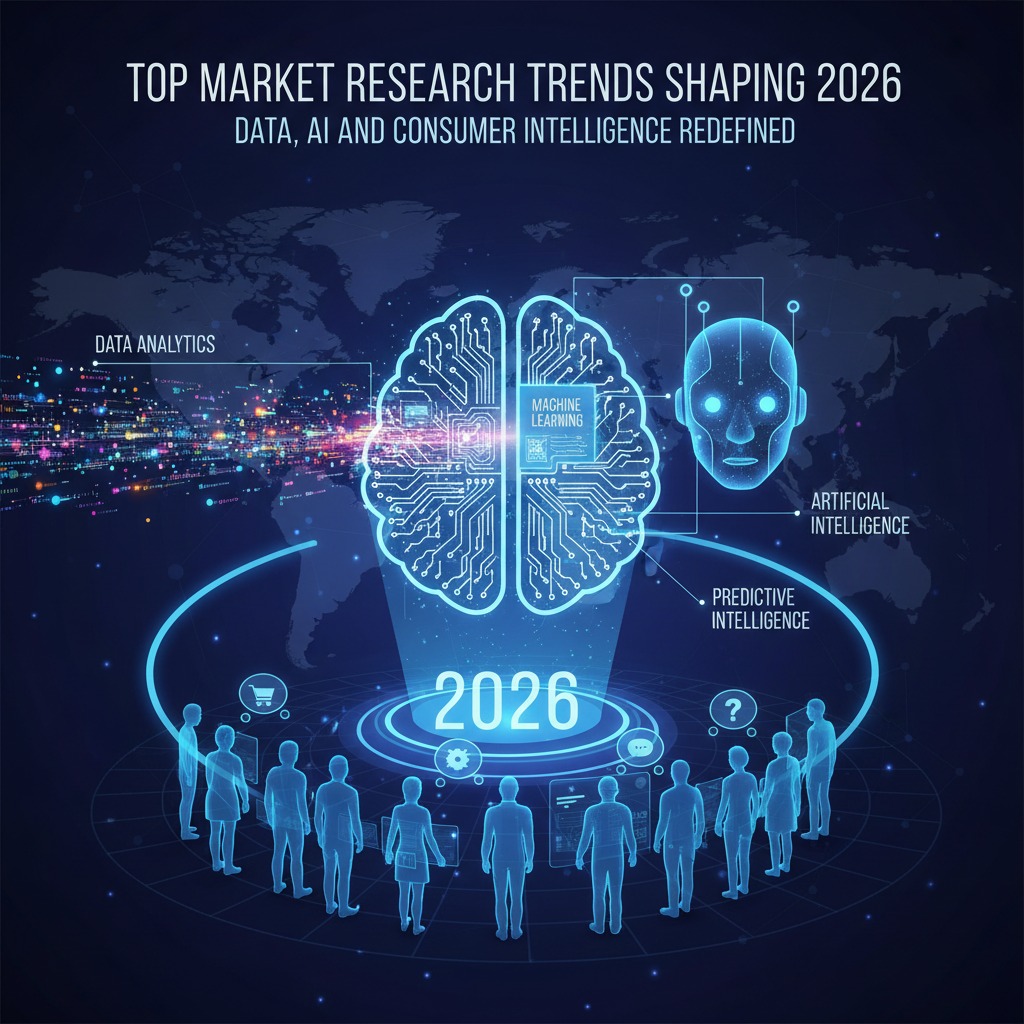
Market research in 2026 is undergoing a rapid transformation driven by advances in artificial intelligence, evolving consumer expectations, and the growing importance of real-time insights. Businesses are no longer relying solely on traditional surveys and focus groups; instead, they are embracing dynamic, data-driven strategies that provide deeper and more actionable understanding of their audiences.
One of the most prominent trends is the integration of AI-powered analytics. Machine learning models now process massive datasets from multiple sources—social media, transaction histories, online behavior, and even voice interactions. This allows companies to predict consumer preferences with impressive accuracy. Rather than asking customers what they want, businesses can anticipate needs before they are explicitly expressed. Predictive analytics has become a cornerstone of competitive strategy, especially in fast-moving industries like retail, fintech, and healthcare.
Another key development is the rise of real-time research. In 2026, waiting weeks or months for reports is no longer viable. Organizations demand instant insights to respond quickly to market shifts. Tools that provide live dashboards and continuous feedback loops are becoming standard. This shift enables companies to adjust marketing campaigns, pricing strategies, and product features on the fly, improving both efficiency and customer satisfaction.
Consumer privacy and ethical data use are also central themes shaping the industry. With stricter global data regulations and increasing public awareness, companies must balance data collection with transparency and trust. Ethical research practices are not just a legal requirement but a competitive advantage. Brands that clearly communicate how they collect and use data tend to build stronger, more loyal customer relationships.
The expansion of qualitative research methods is another notable trend. While quantitative data remains essential, businesses are investing more in understanding the “why” behind consumer behavior. Advanced sentiment analysis, video-based feedback, and immersive digital interviews are helping researchers capture emotional and contextual insights. This human-centered approach is particularly valuable in sectors where brand perception and customer experience play a critical role.
Additionally, the globalization of markets has made cross-cultural research more important than ever. Companies are leveraging localized insights while maintaining a global perspective. Technology enables seamless data collection across regions, but successful strategies depend on interpreting cultural nuances accurately. As a result, diverse research teams and culturally adaptive methodologies are gaining prominence.
Automation is also streamlining the research process. From survey design to data visualization, many repetitive tasks are now handled by intelligent systems. This allows researchers to focus on strategic thinking and interpretation rather than manual work. The result is faster turnaround times and more impactful insights.
Finally, the democratization of market research tools is empowering smaller businesses. Platforms that were once accessible only to large corporations are now available to startups and mid-sized companies. This levels the playing field and fosters innovation across industries.
In conclusion, market research in 2026 is defined by speed, intelligence, and responsibility. Organizations that embrace AI, prioritize ethical practices, and invest in both quantitative and qualitative insights are best positioned to thrive in an increasingly complex and competitive landscape.
Leave a Reply